Be yourself; Everyone else is already taken.
— Oscar Wilde.
This is the first post on my new blog. I’m just getting this new blog going, so stay tuned for more. Subscribe below to get notified when I post new updates.
Be yourself; Everyone else is already taken.
— Oscar Wilde.
This is the first post on my new blog. I’m just getting this new blog going, so stay tuned for more. Subscribe below to get notified when I post new updates.
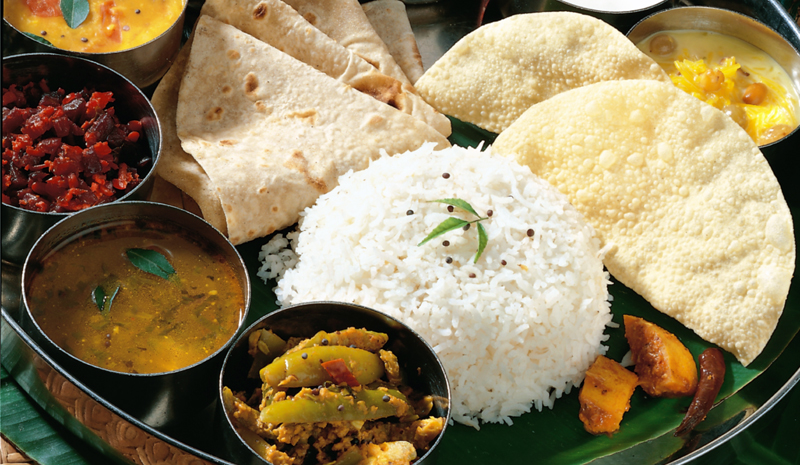
For the ADM project we studied the costing of two local eateries in Bhubaneshwar. Both the eateries didn’t have a robust system of accounting and worked on ad hoc basis.
FaceVook
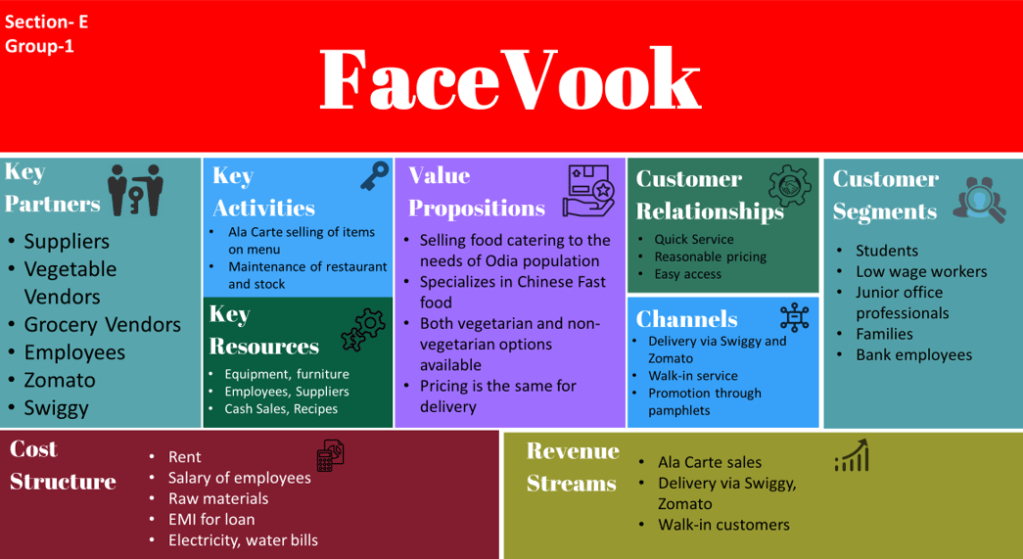
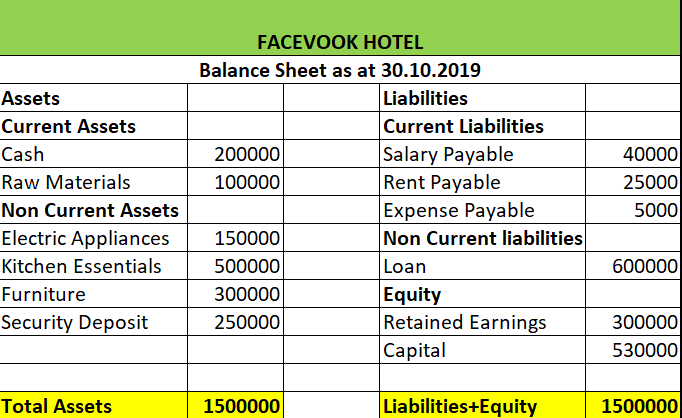
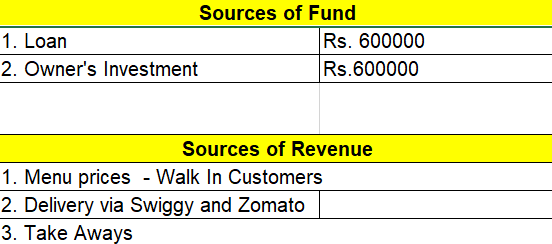
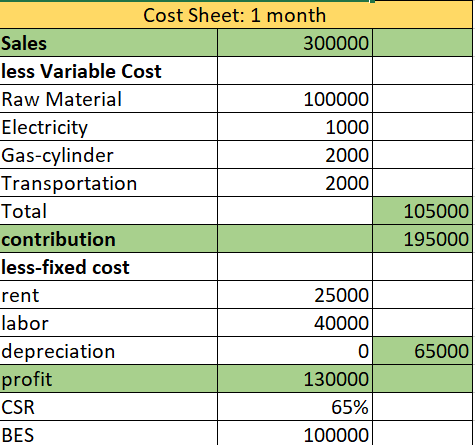
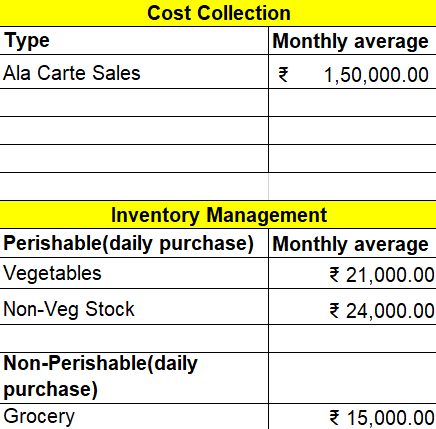
The first eatery is facevook located in the urban unit-3 of Bhubaneshwar. We spoke to the owner of the eatery Mr. Somesh Mishra. He briefed us about the business model being followed. They had an average margin of 40%-50% on each item being served. The input cost for raw materials was Rs900 for vegetables, Rs 2000 for non-veg stock and Rs 1200 for other daily stuff. Their set up cost was Rs 12 lakhs out of which Rs 6 lakhs was loaned. The rent for the premises is 25000 per month. Their average sales ranged from Rs. 8000 to Rs.10,000 per day. The model followed for managing the inventory of perishable goods. They purchase goods on daily basis based on needs and requirements. The grocery stock on the other hand lasts for 3-4 days which includes spices, flavours, non-perishable food items, etc. They have 5 employees for all the operations.
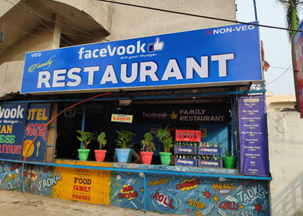
Business Model– They have a ala-carte system where the pricing is same for delivery and dine-in. They specialize in Odia and North-Indian cuisines for lunch time and Chinese fast food for evening and dinner. They have tie ups with Swiggy and Zomato for delivery but they follow the same pricing system and do not offer any discounts.
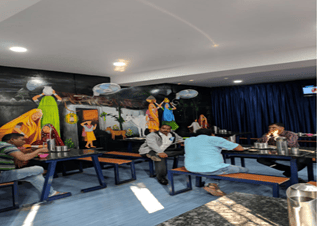
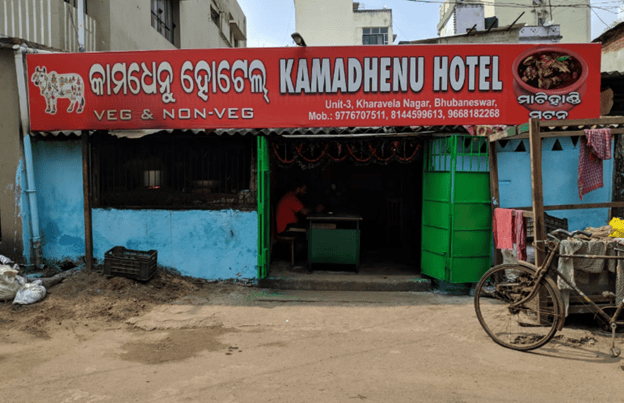
Kamadhenu Hotel
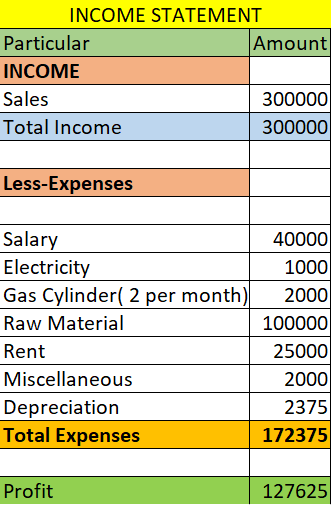
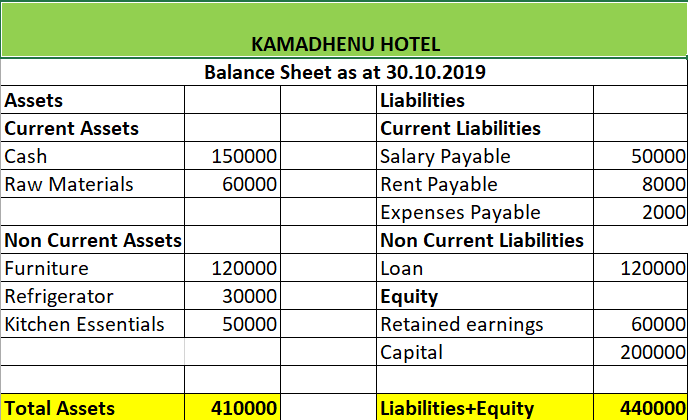
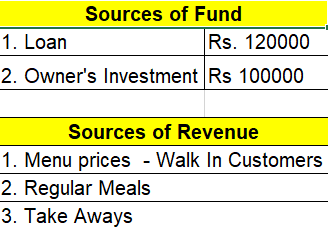
The second eatery we studied was Kamdhenu. It is located in one of semi urban area of Bhubaneshwar. The owner of the eatery Mr Kamdhenu Mohanty briefed us about its daily functioning. Their average daily sale ranged from 4-5k per day. Rent of the premises is 18000 per day. The whole setup cost was 2 lakhs for them of which Rs 1,20,000 was taken as loan. Their average margin on items served is 30-40% . The input cost for everything is Rs2000 per day which includes coal, vegetables, perishable-non-perishable items which they purchase on a daily basis They currently have 5 employees under them who work on a daily wage of Rs.250
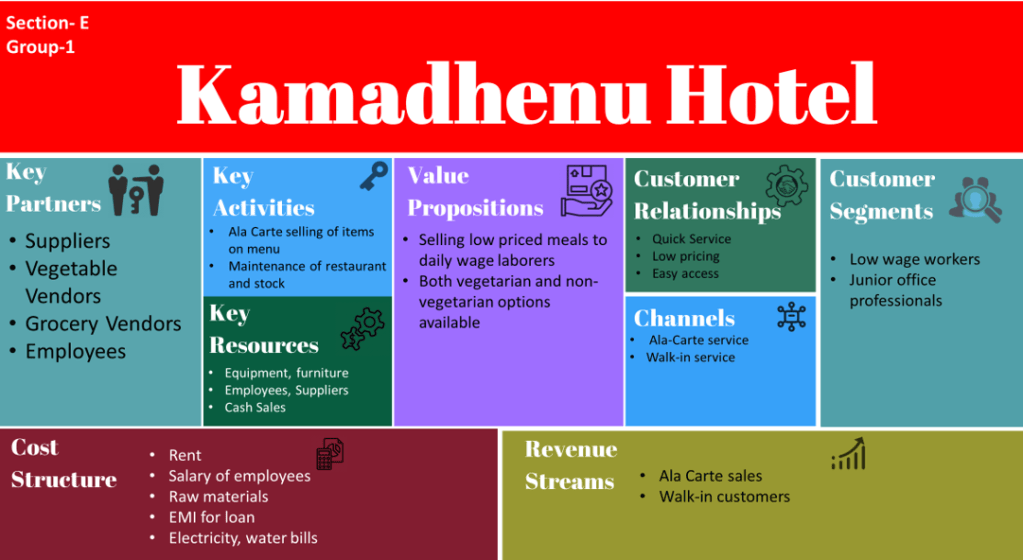
Business Model– Their primary customers are the labourers for whom they charge around Rs.50 per meal. They usually have around 100 customers in a day and do not provide any delivery service. They have a fixed menu which includes other items ranging from Rs 10-Rs 100.
PROCESS
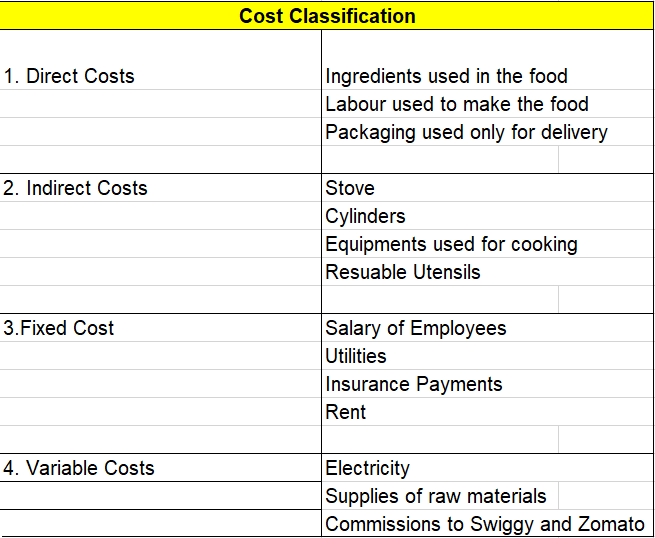
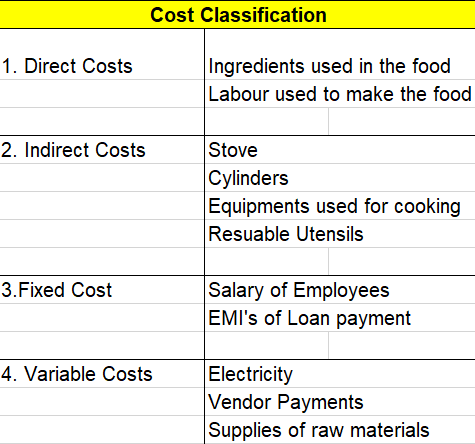
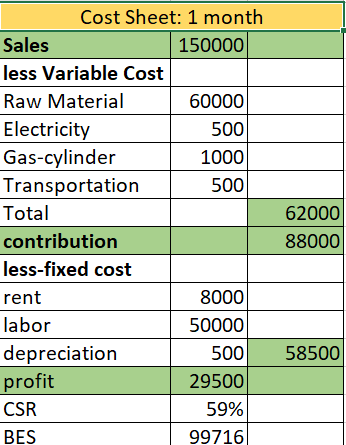
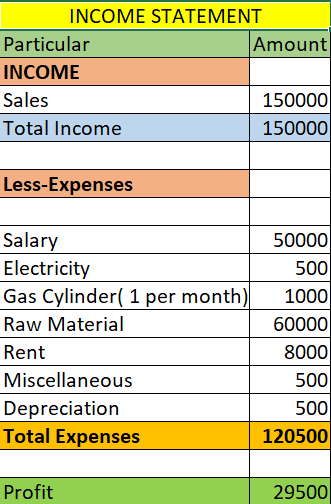
We identified two local eateries catering to different segments of the population in different areas of Bhubaneshwar. We studied their operation pattern, from the input of raw materials to procurement, cooking and finally delivering. How much cost they were incurring at each step? The first hotel Facevook was catering to the middle-class customers and thus had a margin of 40-50%. We spoke to the owner and after taking his inputs we drafted our cost sheet for them.
The second eatery we selected caters to the low-income group. They had a fixed list of menus and items to be procured daily. Their daily operations were mostly fixed with the costs varying only the basis of market fluctuations.
In the end, we shared our costing with both the eateries. The first one appreciated the costing. However, both the eateries were reluctant to incorporate costing and wanted to follow their existing process.
RECOMMENDATION
In both the restaurants we visited, due to the unavailability of proper costing, the loss incurred because of operations was not accounted for. Also, per item costing was not clear for them to account variations in each of the items brought in their overall profit.
Following a proper costing method will lead to efficient and proper utilization of resources. It will also help in the smooth execution of operations. It is necessary to keep a record of their transactions so that they can refer to it in case of any discrepancies. Backtracking and understanding where to reduce or increase investments can be done. Also, by looking at previous records, it will be easier for the restaurants to cater to the seasonality in demand.
We recommended that by following proper costing technique they can reduce cost bottlenecks in the future which will help them sustain during market demand fluctuations.
This is an example post, originally published as part of Blogging University. Enroll in one of our ten programs, and start your blog right.
You’re going to publish a post today. Don’t worry about how your blog looks. Don’t worry if you haven’t given it a name yet, or you’re feeling overwhelmed. Just click the “New Post” button, and tell us why you’re here.
Why do this?
The post can be short or long, a personal intro to your life or a bloggy mission statement, a manifesto for the future or a simple outline of your the types of things you hope to publish.
To help you get started, here are a few questions:
You’re not locked into any of this; one of the wonderful things about blogs is how they constantly evolve as we learn, grow, and interact with one another — but it’s good to know where and why you started, and articulating your goals may just give you a few other post ideas.
Can’t think how to get started? Just write the first thing that pops into your head. Anne Lamott, author of a book on writing we love, says that you need to give yourself permission to write a “crappy first draft”. Anne makes a great point — just start writing, and worry about editing it later.
When you’re ready to publish, give your post three to five tags that describe your blog’s focus — writing, photography, fiction, parenting, food, cars, movies, sports, whatever. These tags will help others who care about your topics find you in the Reader. Make sure one of the tags is “zerotohero,” so other new bloggers can find you, too.
Have a WordPress.com account? Log in now.

